Transform Your Living Room with a Nature-Inspired Forest Mural
Recent Trends
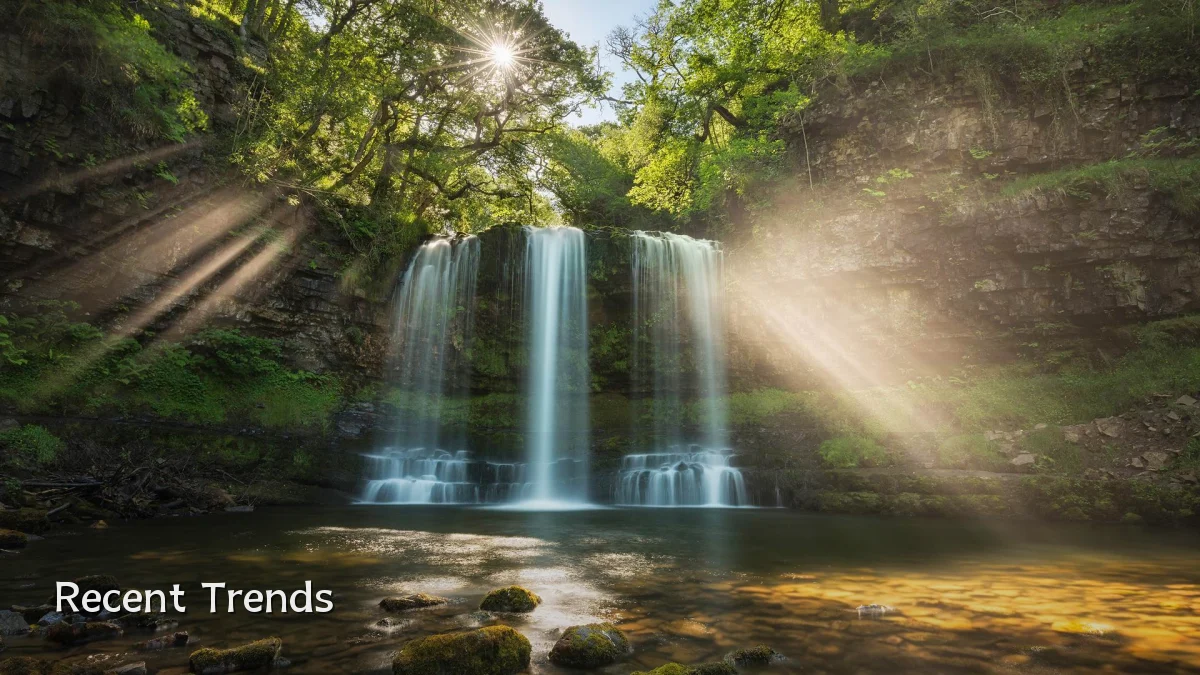
Large-scale nature murals have become a prominent choice in living room design over the past several seasons. Homeowners increasingly seek immersive, biophilic interiors that bring the outdoors in without requiring structural changes. Social-media feeds and interior-design platforms show a steady rise in forest scenes, from misty temperate woodlands to dense tropical canopies, as alternatives to accent walls or traditional wallpaper.
- Demand for removable, peel-and-stick mural materials has grown, especially among renters and those who want flexibility.
- Customization options such as partial murals (covering only one wall or a defined section) allow for scaled application without overwhelming a room.
- Color palettes are shifting from bright, saturated greens toward softer, earthy tones—sage, moss, taupe—to complement neutral living room furniture.
Background
Interior murals have a long history, but the current wave of nature-inspired designs is driven by both aesthetic preference and research on biophilic design—the idea that visual connections to nature can reduce stress and improve well-being. Forest murals, in particular, tap into a universal sense of calm and retreat. Advances in digital printing mean high-resolution images can be scaled and printed on materials that withstand humidity and minor wall imperfections.
Early adopters often commissioned custom artwork; today, manufacturers offer ready-to-hang panels, large-scale wall decals, and even modular tile-based murals. The category sits between permanent wallpaper and temporary art, giving homeowners a middle ground.
User Concerns
- Scale and proportion: A mural that is too bold for a small room can shrink the space visually. Practical guidance suggests using a forest scene with a clear vanishing point (e.g., a path or clearing) to add depth, or limiting the mural to one feature wall.
- Installation and removal: Many users worry about wall damage or difficulty. Removable vinyl murals and traditional wallpaper require different surface preparation. Neutral analysis recommends testing a sample panel and checking manufacturer instructions regarding wall texture, primer, and humidity.
- Visual longevity: Trends in wall decor can shift. To avoid a dated look, users often select forest scenes that are not heavily tied to a specific season or decade. Scenes with evergreen trees, blurred backgrounds, or abstract foliage tend to age more gracefully.
- Lighting interaction: The same mural can appear dark or washed out depending on room lighting. Users are advised to view a sample under both natural and artificial light before committing.
Likely Impact
The growing availability of affordable, high-quality forest murals is expected to broaden the market beyond traditional homeowners. Renters and those in temporary housing now have viable options for personalizing living rooms without permanent alterations. This shift may influence manufacturers to develop more lightweight, repositionable products and expand design libraries to include region-specific forest types (e.g., Northern pine forests, Southeast Asian jungles, Pacific Northwest temperate rainforests).
Interior designers note that forest murals can serve as the focal point of a room, potentially reducing the need for additional wall art or large furniture pieces. For furniture retailers, this trend may encourage complementary product lines—neutral-toned sofas, natural wood shelving, and soft lighting that echoes organic shapes.
What to Watch Next
- Integration of augmented reality (AR) tools: Apps that let users preview a mural on their own wall before purchase could reduce hesitation and returns.
- Eco-friendly materials: As consumer awareness grows, expect more murals made from recycled fibers, water-based inks, and biodegradable backing.
- Interactive or dimensional murals: Some designers are experimenting with layered wall panels or murals paired with built-in plant shelves, blurring the line between decoration and living greenery.
- Regional trends: Forest mural designs may become more localized, with artists creating scenes specific to local ecosystems, appealing to homeowners who want a sense of place.