Decorative Landscape Tips to Boost Your Home’s Curb Appeal Instantly
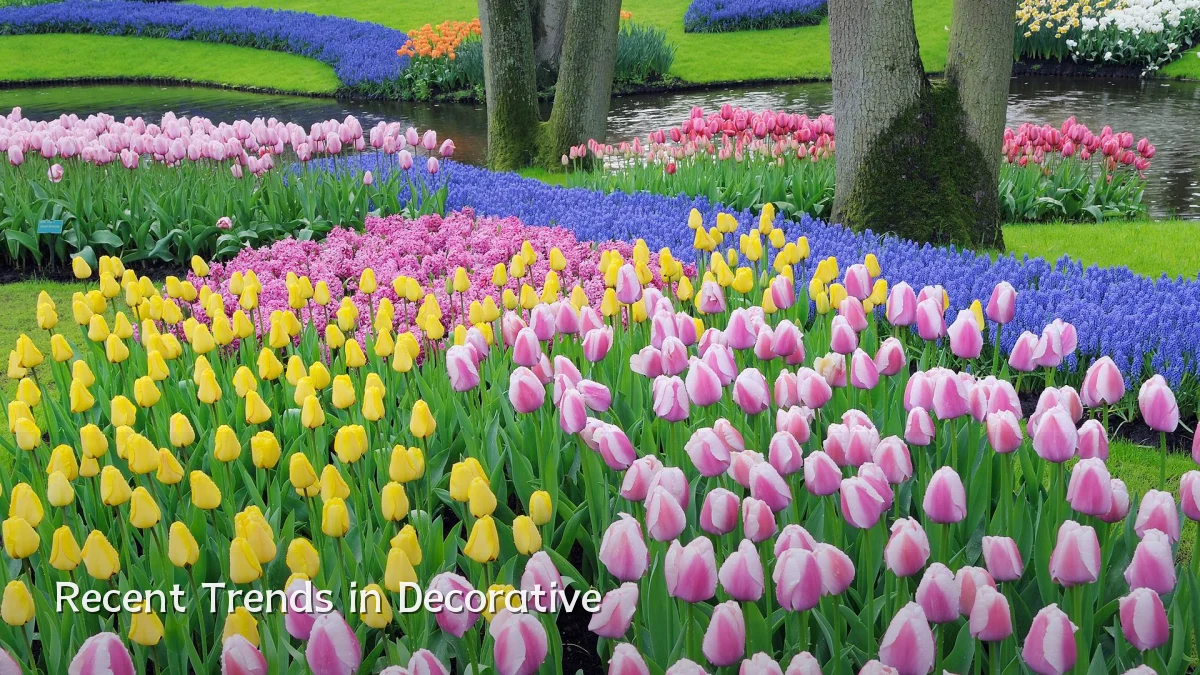
Recent Trends in Decorative Landscaping
Homeowners are increasingly turning to targeted, small-scale decorative changes that deliver immediate visual impact without requiring a full redesign. Recent months have seen a shift toward:
- Monochromatic plant groupings – using one or two complementary foliage colors to create a clean, modern look
- Statement hardscaping – adding defined pathways, border edging, or decorative gravel that frames planting beds
- Outdoor lighting accents – low-voltage landscape lights placed along walkways or near focal plants to extend curb appeal into evening hours
- Container gardening – oversized pots with seasonal color near entryways, requiring less commitment than in-ground beds
- Native and drought-tolerant species – reducing water use while maintaining a polished appearance
Background – Why Curb Appeal Matters
First impressions of a property form within seconds, and the front landscape serves as the primary visual gate. Real estate professionals consistently note that well-maintained decorative elements—such as trimmed shrubs, mulched beds, and clear walkways—can signal care and pride of ownership. In many housing markets, a neat and appealing exterior helps a home stand out in listings and during open houses, even when interior updates are modest.
Common User Concerns When Updating Landscape
Despite the potential benefits, homeowners often hesitate due to practical questions. Key considerations include:
- Upfront cost vs. long-term value – Small decorative projects (e.g., fresh mulch, a few containers) can be done for a low investment, while larger hardscape or planting overhauls may require a budget in the hundreds to low thousands
- Time and effort – Ongoing maintenance varies: perennials require less replanting than annuals; rock or mulch beds reduce weeding but need occasional refreshing
- Climate and soil conditions – Plants that thrive in one region may struggle in another; choosing species appropriate for local sun, rain, and freeze patterns is critical
- Homeowners’ association (HOA) rules – Some communities restrict plant height, color schemes, or the use of certain materials, so checking guidelines beforehand prevents later rework
- Returns on investment – While a well-planned landscape can increase perceived property value, the exact percentage varies by neighborhood and market conditions
Likely Impact of Strategic Decorative Choices
Focusing on a few high-visibility areas—such as the front door, mailbox, and main walkway—can create an instant lift. Use of contrasting textures (smooth stone next to soft foliage) and a limited color palette (e.g., white blooms with deep green leaves) tends to read as intentional and polished from the street. Even modest upgrades like cleaning up overgrown shrubs, adding a fresh layer of mulch, and placing matching planters on either side of the entrance often improve buyer perception in listing photos. For current homeowners, a more inviting front yard can also increase daily enjoyment and neighborhood interaction.
What to Watch Next – Emerging Approaches
Expect broader adoption of sustainable landscaping practices that blend decoration with efficiency. More regions are encouraging rain gardens and permeable paving to manage stormwater. Smart irrigation controllers that adjust watering based on weather are becoming more accessible. Meanwhile, the trend toward “rewilding” small front garden areas with native wildflowers may gain traction, though it requires careful editing to avoid looking unkempt. Homeowners should keep an eye on local nursery recommendations and municipal programs that offer rebates for water-wise or pollinator-friendly plantings. The most effective decorative strategy will likely be one that matches a home’s architectural style and the owner’s maintenance capacity, rather than following every trend.