The Professional's Guide to Designing Decorative Landscapes for High-End Clients
Recent Trends in High-End Landscape Design
The luxury landscape sector has shifted noticeably toward integrated outdoor living. Clients now expect spaces that function as extensions of the home, with distinct zones for dining, entertaining, and quiet retreat. Naturalistic planting schemes—using layered perennials, ornamental grasses, and native species—are displacing formal clipped hedges, while sustainable water management has moved from a niche preference to a baseline expectation among discerning property owners.
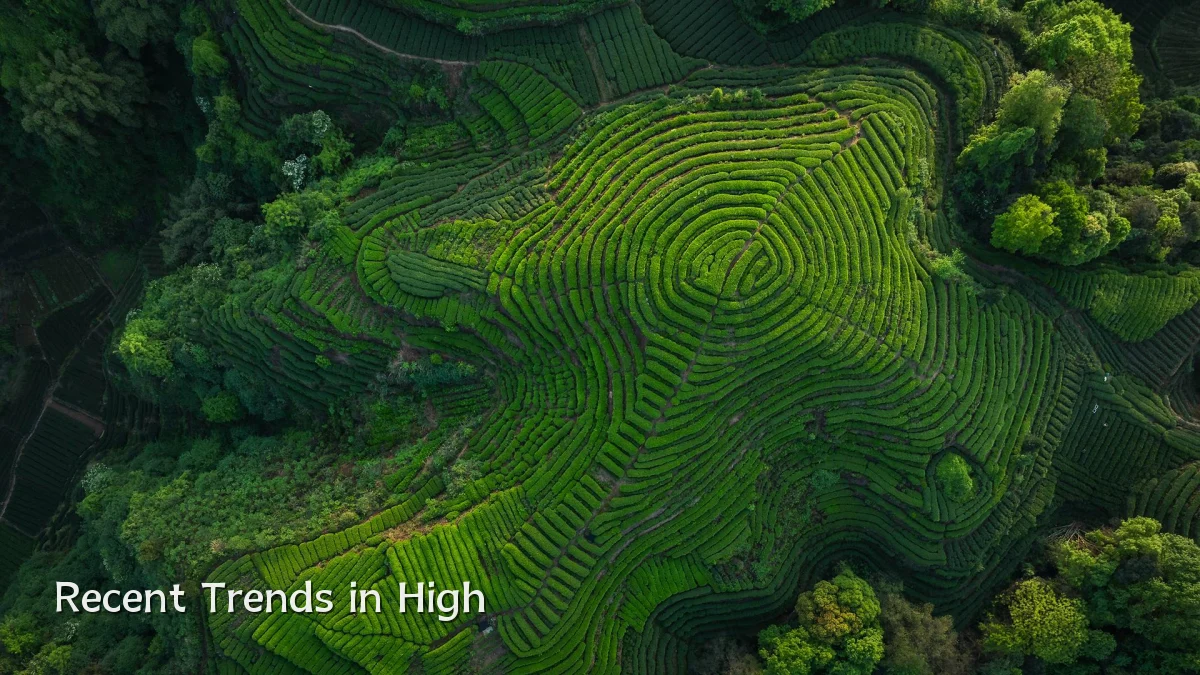
- Demand for low-maintenance, climate-adaptive plant palettes continues to rise in premium residential projects.
- Outdoor kitchens, fire features, and integrated lighting are now standard requests rather than upgrades.
- Biophilic design principles, emphasizing visual connection to nature, increasingly inform layout and material selection.
Background: How the Sector Evolved
Decorative landscaping for high-end clients was historically rooted in formal European garden traditions, emphasizing symmetry, manicured lawns, and ornamental specimen planting. Over the past decade, however, the profession has absorbed influences from ecological horticulture, contemporary architecture, and wellness design. The rise of landscape architects as lead consultants on residential projects has elevated the role of site-specific analysis and long-term plant performance over purely aesthetic choices. Material palettes now routinely integrate stone, metal, and sustainably sourced hardwoods alongside living elements.
Key Concerns for Practitioners
Professionals working with affluent clients face distinct pressures. Expectations for year-round visual interest demand careful species selection and succession planning. Construction timelines often compete with optimal planting windows, requiring precise coordination between contractors and horticultural specialists. Budget transparency is critical; high-end clients may request exotic materials or mature specimen trees without fully understanding sourcing lead times or installation costs.
- Balancing client aspirations with ecological constraints, such as site hydrology and microclimate.
- Managing the tension between instant visual impact and long-term plant health and establishment.
- Navigating client turnover in design phases—high-end projects may pause or change direction mid-stream.
- Ensuring maintenance protocols are clearly documented and communicated before handover.
Likely Impact on Professional Practice
The convergence of these trends is likely to reshape how landscape professionals structure their services. Firms are increasingly offering tiered design packages that separate master planning, construction documentation, and ongoing horticultural management. The demand for evidence-based design—backed by soil testing, microclimate analysis, and irrigation modeling—will continue to grow. Professionals who invest in continuing education around native plant ecology and sustainable hardscape techniques are better positioned to command premium fees and retain high-end clientele over multiple project cycles.
“The decorative landscape is no longer a static backdrop; it is a living system that must perform ecologically, aesthetically, and programmatically throughout the year.”
What to Watch Next
Three developments merit close attention. First, the expansion of digital twin technology—using 3D modeling to simulate plant growth, shade patterns, and water use over time—will become more accessible to landscape practices of moderate size. Second, material innovation in permeable paving and modular green infrastructure is likely to reduce installation costs and broaden design options. Third, as climate pressures intensify, regional plant availability and nursery capacity will influence project feasibility, making early-season procurement strategies a competitive differentiator. Professionals who track these shifts and adapt their workflows accordingly will be best positioned to lead the next phase of the industry.